
Bjoern Eskofier
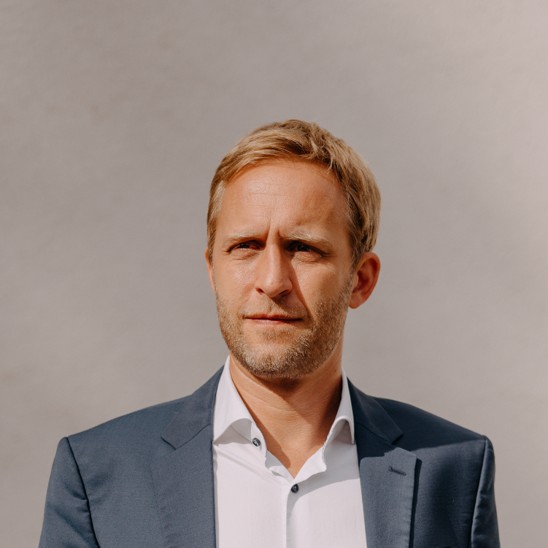
Bjoern M. Eskofier (SM, IEEE) currently directs the Institute for AI in Medicine (I-AIM) at Ludwig-Maximilians-University Munich (LMU). Until September 2025, he headed the Machine Learning and Data Analytics (MaD) Lab at the Friedrich-Alexander-University Erlangen-Nuernberg (FAU). Bjoern also served as founding spokesperson of FAU’s Department Artificial Intelligence in Biomedical Engineering (AIBE), spokesperson of the German Ministry of Economic Affairs and Climate Action GAIA-X usecase project “TEAM-X” and co-director of the German Research Foundation collaborative research center “EmpkinS” (www.empkins.de). Since April 2023, he is an associate principal investigator and leader of the research group “Translational Digital Health” at the Helmholtz Zentrum Munich.
Dr. Eskofier studied Electrical Engineering at the FAU and graduated in 2006. He then did his PhD in Biomechanics under the supervision of Prof. Dr. Benno Nigg at the University of Calgary (Canada). He authored more than 400 peer reviewed articles, holds 5 patents, started three spinoff startup companies, and is in a supporting role for further startups. He won several medical-technical research awards, including the “Curious Minds” award 2021 in “Life Sciences” by Manager Magazin and Merck and the “Unipreneurs” award 2023 from the German Minster of Education and Research and the German Minister for Economy.
Bjoern Eskofier has defined his research and entrepreneurial agenda to revolve around contributions to a “Digital Health Ecosystem”, where patients are connected to other stakeholders within the Healthcare system using digital support tools. His digital health research philosophy is that only multidisciplinary teams of engineers, medical experts, industry representatives and entrepreneurs will have the tools to actually implement changes in healthcare.
Heide Elke Viehweger
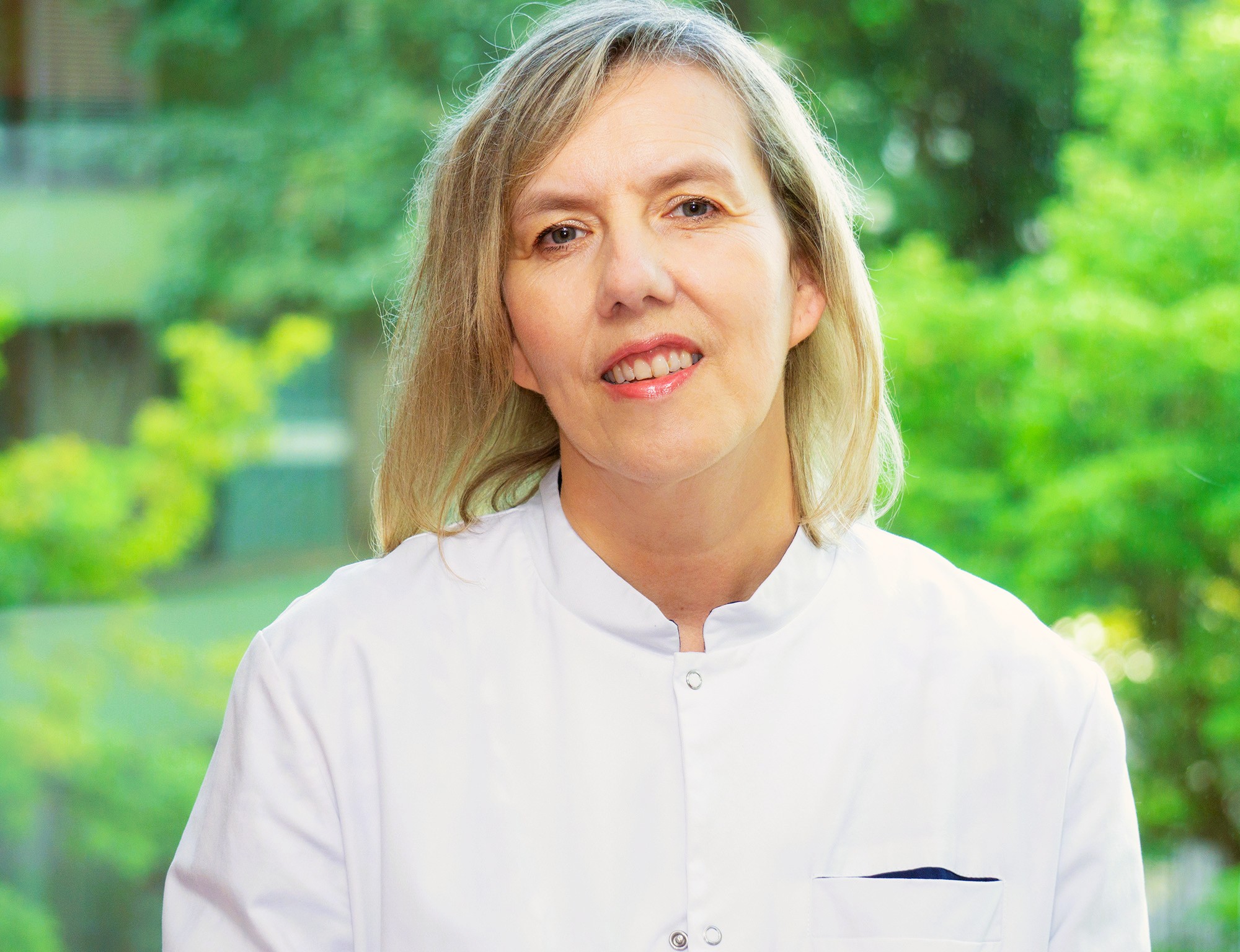
Heide Elke Viehweger is Full Clinical Professor of Neuroorthopaedics and Orthopaedic Surgery at the University of Basel, Switzerland, and Vice Chair of the Department of Orthopaedic Surgery and Head of the Neuroorthopaedic Unit and Motion Analysis Laboratory at the University Children’s Hospital Basel (UKBB). She obtained a PhD in Economic Science and Management with a focus on Health Systems Analysis and a MBA in Health Administration and Management from ESCP Business School, Paris. With almost 30 years of clinical, research, and educational experience, she is internationally recognized for her expertise in neuroorthopaedics, clinical gait analysis, and biomechanics.
From 2002 to 2020, she worked at the Timone Children’s Hospital, Aix-Marseille University, France, where she was responsible for the Neuroorthopaedic Unit, supported the establishment of several Centers of Rare Diseases (Pediatric Bone Tumors, Dysraphism and Neuromuscular Diseases), and served for ten years as Director of the Motricity Evaluation Platform. Since 2020, she has led the Neuroorthopaedic Unit and Center for Clinical Motion Analysis (NeOMo) at UKBB. Her clinical expertise focuses on the management of cerebral palsy, neuromuscular disorders, spina bifida, gait impairments, tone management, and functional orthopaedic surgery.
Her research centers on the application of clinical motion analysis and biomechanics to improve diagnosis, treatment planning, outcome evaluation, and participation in children and adults with neuromuscular and musculoskeletal disorders. As Scientific Lead of the Clinical Biomechanics and Ergonomics Engineering (CADENCE) focal area at the University of Basel, she promotes interdisciplinary research in clinical biomechanics, musculoskeletal modelling, and personalized medicine.
Prof. Viehweger has a longstanding commitment to education and international collaboration. She directed the French Inter-University Diploma in Motion Analysis for 15 years, training more than 300 healthcare professionals and researchers. She was co-founder and recently president of SOFAMEA and has held leadership positions within EPOS, ESMAC, EFORT, and several national and international orthopaedic societies.